“I do not agree with what you have to say, but I'll defend to the death your right to say it.”
Voltaire.
Something both sides need to remember in the current debate around the forthcoming Referendum for Scottish Independence.
Monday, September 15, 2014

Friday, August 29, 2014
The Adventure of English by Melvyn Bragg
Subtitled the Biography of a Language, this brilliant book traces the development of the English language from it's earliest days as a dialect of an obscure tribe in northern Europe to its current day status as global language.
Bragg is excellent at weaving the history of the language in with all the strands of history around it. He traces for example how English more or less went into hiding during the French speaking days after the Norman conquest and how the adventurous nature of the American Wild West lead to an adventurous period of development in the English language. He explores how the use of English changed church history in the British Isles and how Shakespeare changed the language forever.
He looks at different Englishes spoken throughout the world, including Australian English, Indian English and American Englishes as well as the pidgins and creoles that have developed particularly against a background of slavery where people with various different native languages would try to create something mutually comprehensible from a common (though poorly known) language. Also the way that English has affected the other languages it has come into contact with.
I felt the book cound have benefited from a section about the forms of English spoken in Africa and that in general most sections of the book could have been extended. I just found it totally fascinating and wanted to find out even more about this amazing language we speak!
So anyone who's interested in the English language, how it's developed and ow it fits into the general history of the English speaking world, should read this book.
The Adventure of English by Melvyn Bragg published by Hodder and Staughton .
Friday, August 15, 2014
Godzilla!
I was delighted to win these Godzilla coasters in a recent Twitter competition organised by Dosankodebbie. Debbie shares her wonderful etegani artwork at Dosankodebbie's Etegami Notebook.

 The coasters are still in their packaging as they're a gift for Crafty Green Boyfriend, who is a huge Godzilla fan. He'll love them of course! So thank you Debbie!
Saturday, July 19, 2014

Tuesday, May 20, 2014
Giveaway of Bougainvillea Dancing
I'm running a giveaway of a copy of my updated book Bougainvillea Dancing over on the Crafty Green Poet blog.
Follow the link above to find out more.
Follow the link above to find out more.
Saturday, May 17, 2014
St Margaret's Well


Wednesday, May 14, 2014

Saturday, May 10, 2014
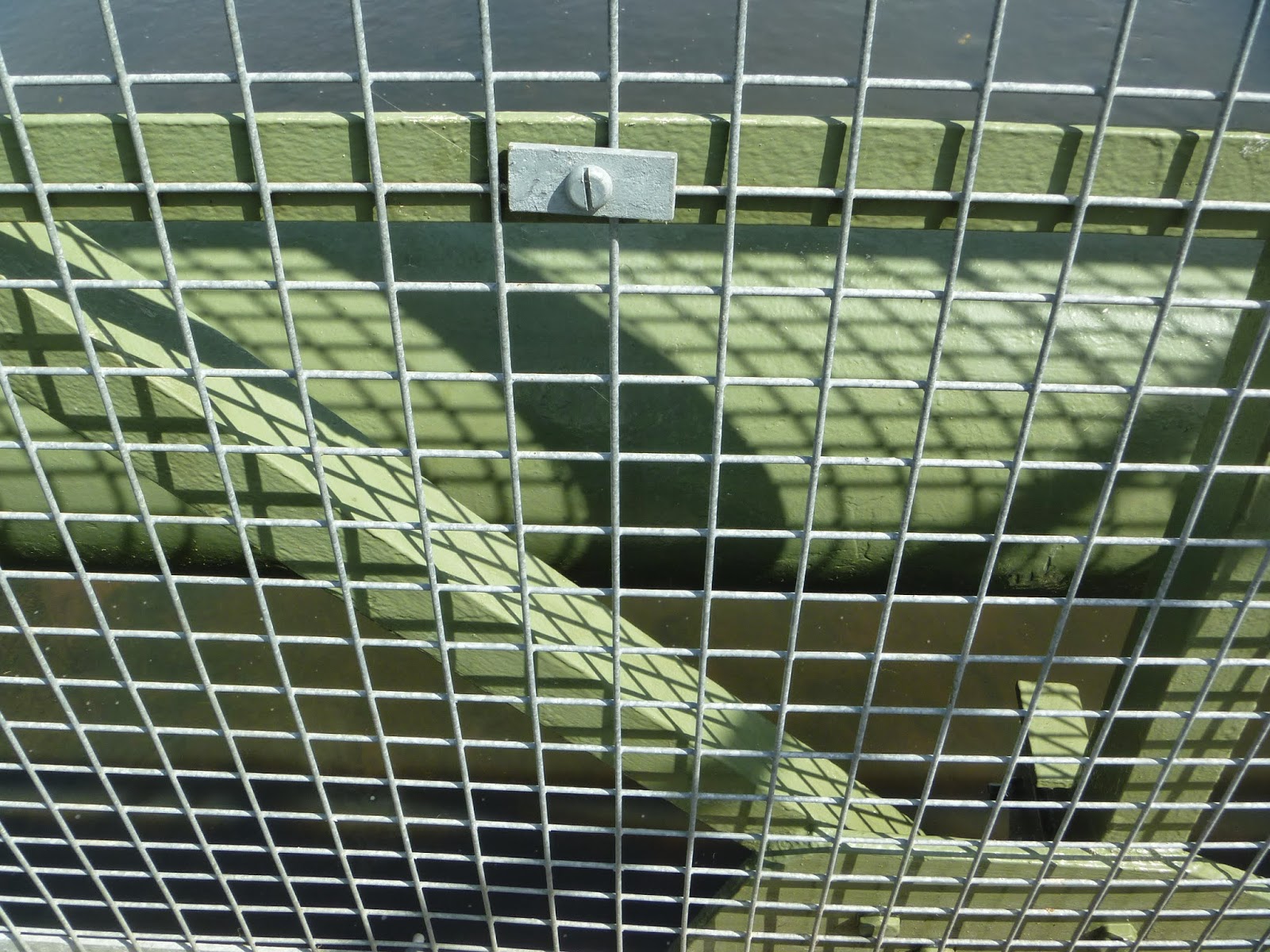
Lights and Shadows

outside the Filmhouse Cinema, Edinburgh
for Shadow Shot Sunday
The Filmhouse is the host and main venue of
Edinburgh International Film Festival
18 - 29 June, 2014
The Filmhouse is the host and main venue of
Edinburgh International Film Festival
18 - 29 June, 2014
Tuesday, April 22, 2014
senryu
texting her friend
about her swimming lesson -
she strokes her guide dog.
for NaPoWriMo.
***
And a reminder that the pdf of an updated version of my chapbook Bougainvillea Dancing is now available to buy in the Crafty Green Poet Etsy shop. 10% of proceeds from the sale of this book go to VSO for their work in Malawi and other parts of southern Africa.
As ever, coloured text contains hyperlinks that take you to other webpages where you can find out more.
Friday, April 18, 2014
Bougainvillea Dancing now available to download
I taught sciences in Malawi between 1990 - 1992 as a VSO (Voluntary Service Overseas) volunteer. My first poetry pamphlet Bougainvillea Dancing,
published 2002, raised money for charities working in Malawi. The
original pamphlet is sold out now, but I was delighted that Chris
Crittenden reviewed it recently on Owl Who Laughs.

Most of the poems in Bougainvillea Dancing focussed on Africa, but many of them were unrelated to that continent. I've just put together an updated version of the pamphlet, removing all the poems unrelated to Africa and adding in more poems on African topics, plus a couple of prose pieces and some photos. This is now available as a pdf to download from the Crafty Green Poet Etsy shop.

(If you don't want to shop via Etsy there are two alternative ways to pay for a copy of this book:
a) via Paypal
b) by cheque if you're in the UK.
Please email me on juliet.m.wilsonATgmailDOTcom for details.
10% of proceeds from this publication will go to VSO for their work in Africa.
VSO’s programme in Malawi concentrates on HIV and AIDS, health and social wellbeing, secure livelihoods (food security) and education in seven rural and remote districts. The districts were chosen due to their excessive poverty levels, high prevalence of HIV and AIDS, and low involvement of other international charities.
Most of the poems in Bougainvillea Dancing focussed on Africa, but many of them were unrelated to that continent. I've just put together an updated version of the pamphlet, removing all the poems unrelated to Africa and adding in more poems on African topics, plus a couple of prose pieces and some photos. This is now available as a pdf to download from the Crafty Green Poet Etsy shop.
(If you don't want to shop via Etsy there are two alternative ways to pay for a copy of this book:
a) via Paypal
b) by cheque if you're in the UK.
Please email me on juliet.m.wilsonATgmailDOTcom for details.
10% of proceeds from this publication will go to VSO for their work in Africa.
VSO’s programme in Malawi concentrates on HIV and AIDS, health and social wellbeing, secure livelihoods (food security) and education in seven rural and remote districts. The districts were chosen due to their excessive poverty levels, high prevalence of HIV and AIDS, and low involvement of other international charities.
Subscribe to:
Posts (Atom)